
Beyond document management: How NextGen CDE and HANDOVER are reshaping information management
The industry is ready to take digitalisation one step further. In recent years, the construction industry has focused on digitising project delivery: drawings moved online, documents became easier to share. Common Data Environments (CDEs) replaced disconnected folders and email chains, giving project teams greater visibility and control over information.
That transformation has been significant. But as projects become more complex and asset owners place greater emphasis on long-term performance, a new challenge has emerged: The question is no longer whether project information is digital. It is whether that information remains useful once construction is complete.
The industry has made enormous progress in managing documents. The next challenge is managing information.
The value of information should not end with the project
Every project generates a huge amount of data: from approved drawings to product specifications and operating manuals.
These all contribute to the story of an asset. Collectively, they explain not only what was built, but why decisions were made and how the asset should perform throughout its operational lifecycle.
Yet this information is often treated as if its purpose ends at practical completion. That creates unnecessary work for everyone involved. Contractors spend weeks assembling handover packages, owners struggle to verify what they have received, and operations teams frequently rebuild asset records before maintenance can begin.
The issue is not the volume of information but the lack of continuity. Information that supported project delivery should continue supporting the asset throughout its lifecycle.
From document management to information governance
This requires a different role for the Common Data Environment.
Rather than acting primarily as a document repository, a modern CDE should govern information from the moment it enters a project. Teams need confidence that they are working from approved information, that decisions remain traceable, and that information can move into downstream processes without losing context.
This is how we have developed NextGen CDE.
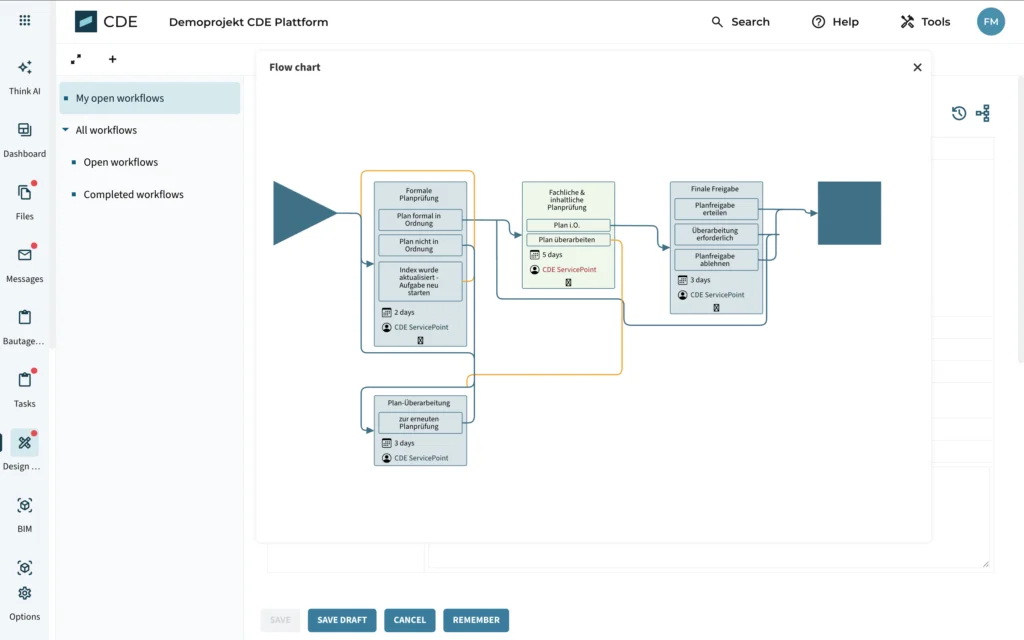
As the governed information backbone of the Thinkproject Platform, NextGen CDE helps organisations move beyond document management by:
- governing information through structured workflows, audit-ready processes and ISO 19650-aligned information management
- providing a connected information layer that links project delivery with contracts, field execution, HANDOVER and asset management
- preserving approved information beyond practical completion so it can be reused throughout the built asset lifecycle
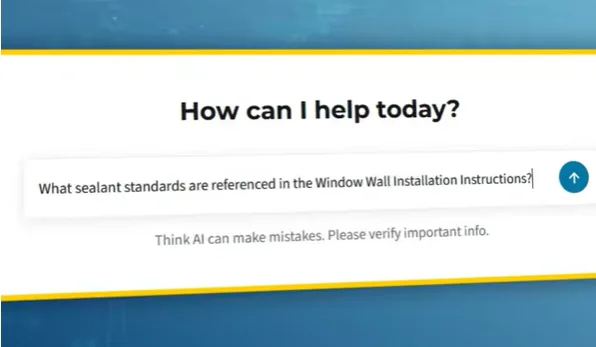
- enabling AI-assisted search across governed, permissioned and version-controlled information, helping users find trusted answers while maintaining traceability and control.
HANDOVER starts on day one
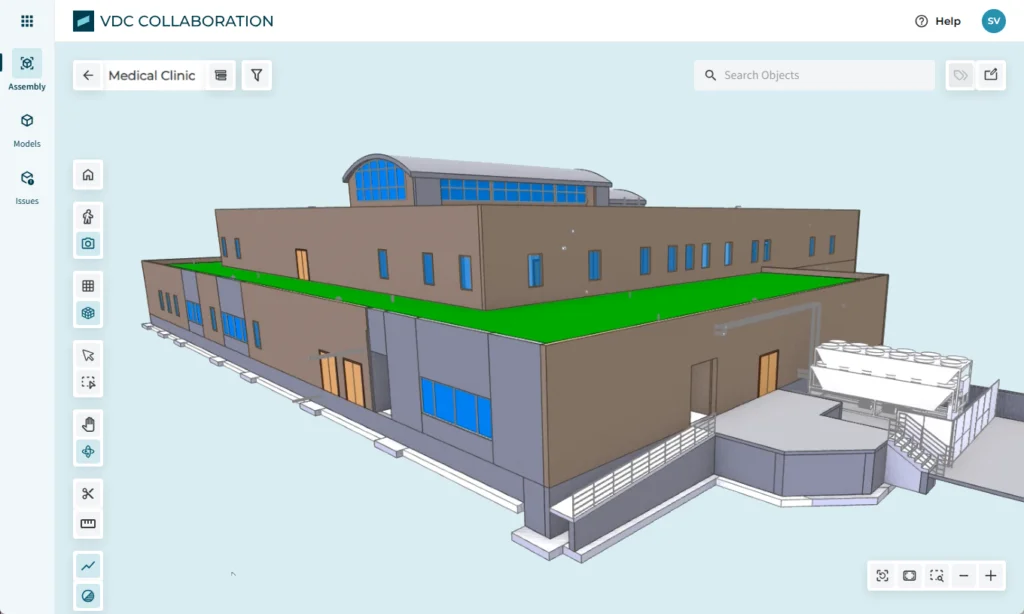
If information is expected to support operations, handover cannot remain a last-minute activity.
Many organisations still begin preparing handover as projects near completion. By then, missing documentation and incomplete asset information are difficult and expensive to resolve. The final weeks become a race to collect information that could have been managed throughout delivery.
A more effective approach is to build operational readiness from the start.
HANDOVER was designed around this principle. Rather than treating handover as a project milestone, it enables organisations to progressively collect, validate and prepare asset information throughout delivery.
Key capabilities include:
- defining asset information requirements early and collecting information continuously throughout the project
- applying configurable validation rules to identify missing or inconsistent information before handover is approved
- delivering structured, validated asset information that is ready to support maintenance, compliance and operations
- creating a connected transition into Asset Manager and Work Manager, preserving context and traceability from project delivery into operations.
Creating a connected flow of trusted information
Individually, NextGen CDE and HANDOVER address two important challenges.
Together, they represent something more significant:
- NextGen CDE establishes trusted, governed information during project delivery.
- HANDOVER ensures that information continues its journey into operations as validated, structured asset data rather than disconnected project records.
The result? Greater continuity across the built asset lifecycle.
Instead of recreating information or manually transferring data between systems, organisations can maintain a consistent thread of information from design and construction through to handover and ongoing operations. Project knowledge becomes operational knowledge.
Preparing for the next generation of digital delivery
This connected approach is becoming increasingly important as organisations explore new technologies like AI and new ways of working.
AI can only generate reliable insights when it operates on information that is governed, permissioned and trustworthy. Without that foundation, faster access to information simply increases the risk of acting on incomplete or outdated data.
The future of digital delivery therefore depends on more than adopting new technology. It depends on establishing connected information that remains accurate, traceable and usable throughout the asset lifecycle.
Join the conversation
That is the opportunity behind NextGen CDE and HANDOVER.
Together, they reflect a broader shift in the industry. One where project information is no longer managed as a collection of documents, but as a strategic asset that supports better decisions from the first design review through to day-to-day operations.
We have already explored this industry shift in one of our Innovation Series webinars. Watch our on-demand webinar to learn more.

More insights
-
Blog

Asset Management
Asset lifecycle management in construction: From planning to decommissioning
Read moreLearn how asset lifecycle management connects planning, construction, handover, operations and maintenance to improve built asset performance.
-
Blog

BIM
Browser-based BIM viewer performance: 10 factors that affect large IFC models
Read moreDiscover what impacts browser-based BIM viewer performance - from geometry and IFC file quality to client hardware and network. A technical guide for BIM teams.
-
Blog

BIM
8 best BIM collaboration software systems for construction teams
Read moreExplore the best BIM collaboration software systems, from CDEs and model coordination to issue tracking, document control, field collaboration, and handover.
-
Blog
CDE
AI Search in NextGen CDE: How Thinkproject AI turns governed construction data into confirmed answers
Read moreDiscover how AI search in a NextGen CDE helps construction teams find current, approved project information while preserving permissions and control.
-
Blog

Digitalization
Construction business intelligence: Turning data into better decisions
Read moreLearn how construction business intelligence connects project data, improves reporting and supports better decisions across the asset lifecycle.
-
Blog

Contracts
Best construction contract management software: 11 features to look for
Read moreCompare the key features to look for in construction contract management software, from NEC, JCT and FIDIC workflows to audit trails and risk control.
-
Event

Built Asset Lifecycle Platform
Thinkproject Live London 2026
Register nowDiscover how AI and connected data are helping teams reduce risk, improve control, and make faster, smarter decisions across the project lifecycle.
-
Event

Built Asset Lifecycle Platform
Thinkproject Live Events 2026
Read moreJoin construction, infrastructure, and asset management leaders for a day focused on the future of project and asset delivery.
-
Blog
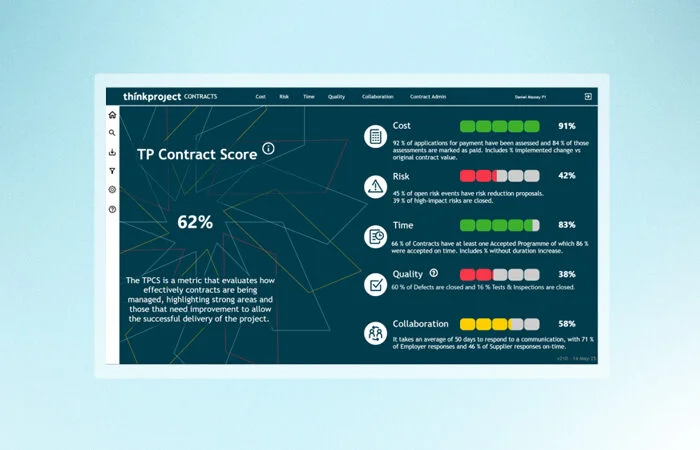
Contracts
JCT contract types: Choosing and managing the right contract
Read moreCompare the main JCT contract types, understand construction management contracts and learn how to choose and administer the right form.