
7 Construction cybersecurity risks that can disrupt project delivery
Construction organisations are managing more digital information than ever before. While this usually has a positive impact on collaboration and productivity, it also increases exposure to cyber threats. A single data breach or ransomware attack can disrupt projects, delay delivery, create contractual risk and damage trust with clients and stakeholders.
This article explores the biggest construction cybersecurity risks the industry is facing and provides practical steps that organisations can take to protect sensitive project information. It also explains how a secure Common Data Environment (CDE) helps organisations control information sharing, maintain traceable access to project data, and reduce security risks while enabling effective collaboration across the project lifecycle.

Why construction faces a distinct cybersecurity challenge
As construction becomes more digital, organisations rely on cloud platforms, connected systems and data sharing across multiple project partners. While this improves collaboration, it also increases the number of potential entry points for cyberattacks. Construction firms manage highly sensitive information (from design models and contracts to financial data and critical infrastructure assets), making construction cybersecurity essential throughout the project lifecycle.
Cyber threats are becoming both more frequent and more sophisticated and companies are aware of this. According to a 2025 IDC report, security spending is expected to remain consistent throughout the 2023–2028 forecast period, reaching nearly $97 billion by 2028.
7 construction cybersecurity risks and how to mitigate them
Despite rising threats, implementing cybersecurity measures in construction is challenging due to the industry’s structure, workflows and associated risks. The following risks represent some of the most common cybersecurity challenges facing construction projects today, along with practical measures that help reduce their impact.
1. Ransomware can block access to project-critical information
Construction projects depend on continuous access to drawings, BIM models, contracts and site records. A ransomware attack can lock teams out of these files, delaying approvals, disrupting site work and affecting multiple project partners.
To reduce the risk, organisations should take measures like: use MFA, maintain secure backups, keep systems updated and train staff to recognise threats. A secure Common Data Environment (CDE) also helps by storing project information in a controlled environment with role-based access, version control and audit trails.
2. Phishing and payment fraud exploit fast-moving project communications
Construction teams exchange large volumes of emails, approvals and invoices every day. Attackers exploit this pace by sending convincing phishing emails or fake payment requests that can steal credentials or redirect funds.
Same principles as above apply: organisations should combine email security, MFA and regular staff training with clear payment verification processes. Using a secure CDE for document sharing and approvals also reduces reliance on email and provides a trusted, auditable collaboration environment.
3. Third-party access creates supply chain exposure
Construction projects often involve multiple stakeholders, including architects, engineers, subcontractors, and suppliers. Each of these entities has access to various systems and levels of project data, creating potential entry points for cyber threats. A weak link in any part of the supply chain can expose the entire project to cyber risks, including data breaches and ransomware attacks.
4. Fragmented file sharing and weak access controls expose project data
Project information is often spread across emails, shared drives and file-sharing tools. This makes it difficult to manage permissions, track document versions and maintain control over sensitive data.
A governed CDE replaces disconnected processes with a single source of truth. Role-based permissions, version control, workflows and audit logs help teams collaborate securely while improving traceability and compliance.
5. Mobile devices and remote site access widen the attack surface
Construction teams rely on mobile devices to access project data from sites, offices, and remote locations. While this improves productivity, it also increases cyber risk. Unsecured Wi-Fi, personal devices, and compromised credentials can expose sensitive project information. With multiple contractors and partners accessing shared data, a single weak link can put the entire project at risk.
6. Legacy systems and unpatched software leave known weaknesses
Many construction firms still rely on outdated software and IT systems that lack modern security protections or no longer receive security updates. Cybercriminals actively exploit these known vulnerabilities to gain access to networks and sensitive project data. Regular patching, software updates, and replacing unsupported systems are essential to reducing these risks.
7. Connected equipment and IoT introduce cyber-physical risks
Connected sensors, smart equipment and IoT devices improve project efficiency, but they also increase the number of potential entry points for attackers. A compromised device could disrupt operations or expose sensitive project information.
Organisations should keep devices updated, segment networks and assess supplier security practices. A secure CDE complements these controls by protecting project information through controlled access, secure authentication and complete auditability.
How a secure Common Data Environment supports construction cybersecurity
A Common Data Environment (CDE) is a centralized digital platform that enables project teams to securely store, manage, and share project information throughout the lifecycle of a built asset. By bringing documents, models, and project data together in one controlled environment, a CDE creates a single source of truth for all stakeholders.
A secure CDE helps reduce information-related risks by ensuring that only authorized users can access sensitive information, everyone works from the latest approved version of a document, and all changes are recorded through complete audit trails. Features such as role-based access controls, version management, and structured workflows improve information governance, strengthen collaboration, and make it easier to demonstrate compliance during audits.
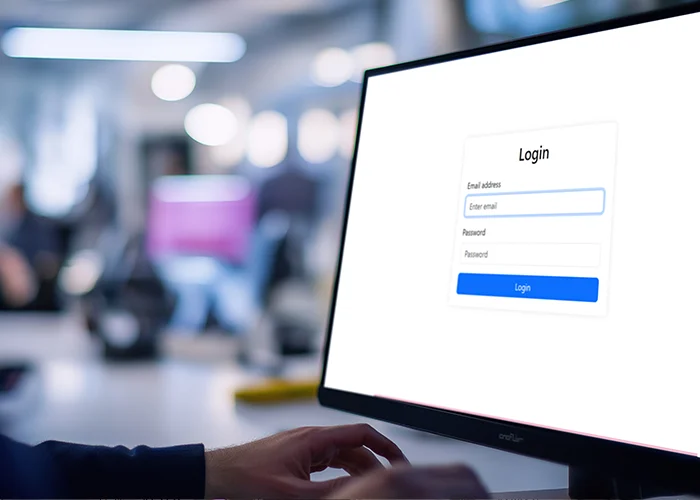
These capabilities also support the principles of ISO 19650-5, the international standard for security-minded information management. Unlike general cybersecurity frameworks, ISO 19650-5 is specifically designed for the built environment. It provides guidance on identifying, protecting, and controlling access to sensitive project information throughout the planning, design, construction, operation, and maintenance of built assets.
However, a secure CDE is only one component of an effective cybersecurity strategy. While it significantly improves the governance and protection of project information, it cannot secure every part of a construction organization’s digital ecosystem. Organizations still need strong endpoint protection, secure networks, supplier risk management, employee cybersecurity training, and well-tested incident response processes.
Can your technology meet critical infrastructure security requirements?
Cybersecurity in construction is more than just a technical concern: It’s a growing legal and operational necessity, especially when using cloud services to manage sensitive data like blueprints, employee records, or trade secrets. Certifications and attestations can play a critical role by demonstrating compliance with industry and legal standards. for example, not only confirms that a provider meets Germany’s minimum cybersecurity standards but also serves as trusted third-party proof that a cloud platform is secure and reliable, helping construction companies meet legal obligations and build client trust.
ISO 27001 – International standard for information security management
ISO 27001 is a globally recognized standard for information security management systems (ISMS). It provides a framework for managing risks related to data protection, ensuring that organizations implement best practices to protect sensitive information. Achieving ISO 27001 certification demonstrates that a construction firm has a robust cybersecurity strategy in place.
SOC 2 – Ensuring secure handling of customer data
Service Organization Control (SOC) 2 is an attestation that evaluates an organization’s security controls related to data protection. It is particularly relevant for cloud-based construction software providers and firms handling large amounts of customer data. SOC 2 compliance reassures clients that their information is secure and protected from unauthorized access.
C5 – Cloud computing compliance in Germany
The C5 (Cloud Computing Compliance Criteria Catalogue) is a security standard developed by the German Federal Office for Information Security (BSI). It sets strict cybersecurity requirements for cloud service providers, ensuring secure data storage and processing in compliance with German and EU regulations. Construction firms using cloud-based tools and services can benefit from working with C5-certified providers to guarantee strong security measures for project data.
GDPR & CCPA Compliance – Protecting personal and project-related data
With the growing focus on data privacy laws, construction firms handling personal or customer data must comply with regulations such as:
- General Data Protection Regulation (GDPR) – Applicable to firms working with clients in the European Union, requiring strict data protection measures.
- California Consumer Privacy Act (CCPA) – Governs how businesses collect, store, and share personal information of California residents.
Non-compliance with these regulations can lead to hefty fines and reputational damage.
NIST cybersecurity framework – Best practices for risk management
The National Institute of Standards and Technology (NIST) Cybersecurity Framework provides a set of guidelines for managing cybersecurity risks. It is widely used across industries, including construction, to develop secure IT infrastructures. Implementing NIST recommendations helps firms establish strong security measures, detect potential threats, and respond effectively to cyber incidents.
Cyber Essentials
Cyber Essentials is a UK government-backed certification that helps organizations protect against the most common cyber threats. It involves a self-assessment that verifies five key security controls are in place: firewalls, secure configuration, user access control, malware protection, and patch management. This certification provides a baseline level of assurance, demonstrating that an organization has implemented essential cybersecurity practices.
Cyber Essentials Plus
Cyber Essentials Plus builds on the standard Cyber Essentials certification by adding a hands-on technical audit conducted by an independent assessor. This includes internal and external vulnerability scans, configuration reviews, and practical tests on selected systems and devices to verify that the security measures are effectively implemented. It offers a higher level of assurance and is particularly important for vendors handling sensitive information or working with government contracts.
Building cyber resilience into every construction project

In an industry where projects are complex, data is sensitive, and digital tools are increasingly essential, cybersecurity in construction can no longer be an afterthought. From protecting intellectual property to meeting legal requirements and ensuring operational continuity, robust security practices are key to staying competitive and resilient. Certifications like C5 and SOC 2 offer a clear path to compliance and trust—proving to clients, regulators, and partners that your digital infrastructure is secure. As cyber threats continue to rise, investing in cybersecurity is not just smart: It’s essential for the future of construction.
At Thinkproject, cybersecurity and information governance are built into everything we do. The Thinkproject Platform helps organisations protect sensitive project information through secure access controls, audit trails, version management, and industry-recognised security standards, including ISO 27001 certification and SOC 2 and C5 attestations for our Document & Communication Management solutions. To learn more about our security practices, certifications, and compliance commitments, visit the Thinkproject Trust Centre.
Curious to learn more about how the right IT solutions can help you embrace digitalisation while keeping your data safe?
Frequently asked questions about construction cybersecurity
Cybersecurity is a shared responsibility. Asset owners, contractors, designers, technology providers and suppliers all play a role in protecting project information, systems and digital workflows. Clear governance, defined responsibilities and consistent security requirements across the supply chain help reduce cyber risk throughout the project lifecycle.
Contain the incident by isolating affected systems, activate your incident response plan and notify relevant stakeholders. Preserve evidence for investigation, recover operations using secure backups where appropriate, and review the root cause to strengthen security controls and reduce the risk of future incidents.
The most appropriate standards depend on the organisation’s location, sector and project requirements. Commonly recognised frameworks and certifications include ISO 27001 for information security management, SOC 2 for cloud service assurance, the NIST Cybersecurity Framework for risk management, GDPR for organisations handling personal data in the European Union, and Cyber Essentials for organisations seeking a recognised baseline of cyber protection. Critical infrastructure and public sector projects may also require compliance with additional national or regional security regulations.
More resources
Innovation Series
Built Asset Lifecycle Platform
Thinkproject Live and Recorded Webinars
Read moreLive and recorded webinars for teams that design, build, operate, and maintain the assets that shape our physical world.
-
Blog
BIM
BIM collaboration: How connected project teams work better together
Read moreSee how BIM improves construction collaboration through shared models, clash detection, issue tracking, CDE workflows and connected project information.
-
Blog
Asset Management
From delivery to lasting performance: four governance priorities for Spain’s asset owners
Read moreDiscover four asset governance priorities that help Spain’s asset owners improve information reliability, flexibility, decision speed and ROI.
-
Blog
Built Asset Lifecycle Platform
Construction project life cycle: 6 phases from concept to handover
Read moreUnderstand the construction project life cycle, from feasibility and design to procurement, construction, commissioning and handover.
-
Blog

Field Management
Thinkproject HANDOVER: Turn project information into operations-ready asset data
Read moreDiscover how Thinkproject HANDOVER helps asset owners and contractors reduce information gaps and deliver validated asset data from construction into operations.
-
Event

Built Asset Lifecycle Platform
Thinkproject Live London 2026
Join the waitlistDiscover how AI and connected data are helping teams reduce risk, improve control, and make faster, smarter decisions across the project lifecycle.
-
Event

Built Asset Lifecycle Platform
Thinkproject Live Events 2026
Read moreJoin construction, infrastructure, and asset management leaders for a day focused on the future of project and asset delivery.
-
Blog

Asset Management
Asset lifecycle management in construction: From planning to decommissioning
Read moreLearn how asset lifecycle management connects planning, construction, handover, operations and maintenance to improve built asset performance.
-
Blog

BIM
Browser-based BIM viewer performance: 10 factors that affect large IFC models
Read moreDiscover what impacts browser-based BIM viewer performance - from geometry and IFC file quality to client hardware and network. A technical guide for BIM teams.