
The future of construction is also human: Why AI alone won't transform the industry
Artificial intelligence is creating new opportunities for construction, from interpreting complex project data to automating repetitive tasks and improving decision-making. But can technology alone solve the industry’s biggest challenges?
At Thinkproject Live London 2026, Fred Mills, founder of The B1M, explored this question through his experiences documenting some of the world’s most ambitious construction projects. His message was clear: AI has enormous potential, but the future of construction depends just as much on the people using it.
Here are five key takeaways from his session, covering how the industry can combine technological innovation with human expertise to build a better future.
1. AI can turn construction data into better decisions
Construction generates enormous volumes of information. From drawings and technical documentation to BIM models, inspection records and sensor data, teams have more information available than ever before.
Yet access to information does not automatically translate into better decisions. Finding relevant data, understanding its context and identifying what requires attention can still be time-consuming.
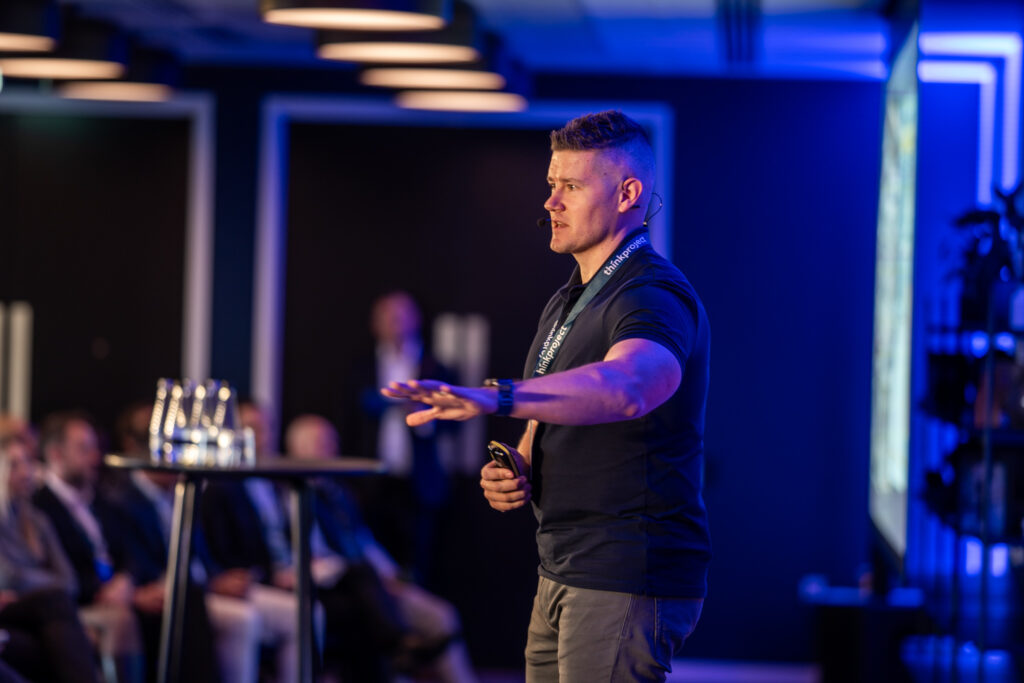
As Fred highlighted, one of AI’s most promising applications is helping construction professionals make sense of this complexity.
He shared two examples of how this is already taking shape.
- In Wellington, New Zealand, a digital twin platform is helping city authorities use existing data and AI to better understand their built environment and support informed decisions.
- In London, the demolition of St Helen’s tower presents a very different challenge. Because the building’s floors were originally suspended from a structure at the top, engineers have had to carefully transfer their loads before dismantling it. Sensors installed across the building’s steel beams provide information about structural behaviour throughout the process. AI-powered technology helps teams interpret this data and monitor the complex operation.
Although these projects are very different, they illustrate the same opportunity: using technology to turn large volumes of information into actionable intelligence.
For construction organisations, this starts with having reliable, accessible and connected information. AI can help interpret that information, but its effectiveness depends on the quality and context of the underlying data.
2. Automation should reduce complexity, not accelerate inefficiency
One of Fred’s most memorable observations was:
“Doing the wrong things faster is not progress.”
This is a particularly relevant warning for an industry increasingly looking to AI to improve productivity.
Construction professionals spend significant time on administrative work, searching for information, coordinating approvals and managing processes across multiple teams and systems.
AI-assisted automation could reduce some of this burden. Potential applications include retrieving relevant project documents, supporting information classification, identifying missing records and helping teams manage routine workflows.
The opportunity is not to complete these activities faster. It is to give people more time to focus on the work that requires their expertise, from solving engineering challenges to managing risks and coordinating project delivery.
But automating an inefficient process does not necessarily make it a better one. If project information is fragmented, responsibilities are unclear or workflows are poorly defined, introducing AI may simply accelerate existing problems.
Successful AI adoption therefore starts with understanding the problem, improving the process and then identifying where technology can add value.
This also highlights the importance of connected information environments. When project data, workflows and decisions are managed consistently, organisations have a stronger foundation for introducing AI assistance without adding further complexity.
3. AI’s biggest opportunity may be helping people work better together
“Enabling our people to perform better is for me one of the biggest benefits of AI.” – Fred Mills, B1M
Construction organisations routinely measure project costs, schedules, quality and physical safety. But how effectively do they measure the performance and wellbeing of the teams responsible for delivering those outcomes?
Fred Mills explored this question through an example from US contractor Rogers-O’Brien, which is using AI to better understand team dynamics.
The approach involves analysing anonymised information from team meetings and interactions to identify patterns relating to collaboration, alignment and wellbeing. The goal is to understand how teams are functioning and identify opportunities to improve performance.
This represents an interesting shift in how AI could support construction teams. Rather than focusing exclusively on project outputs, organisations could use technology to better understand the people and relationships behind successful delivery.
However, this approach also raises important considerations:
- Privacy and trust: Employees need confidence that their information is handled responsibly and is not used for individual surveillance.
- Transparency: Organisations should clearly explain how information is collected, analysed and used.
- Human oversight: AI-generated insights should support conversations and management decisions, not replace human judgement.
These considerations are particularly important in construction, where successful delivery depends on collaboration between different organisations, disciplines and teams.
Ultimately, AI’s value should be measured not only by the tasks it automates, but also by how effectively it helps people work together.
4. Technology alone cannot solve construction’s workforce challenges
Construction faces growing pressure to deliver infrastructure and built assets faster, more efficiently and more sustainably, while also managing a shortage of skilled professionals. AI can help address some productivity challenges, but it cannot replace the need to attract, develop and retain people.
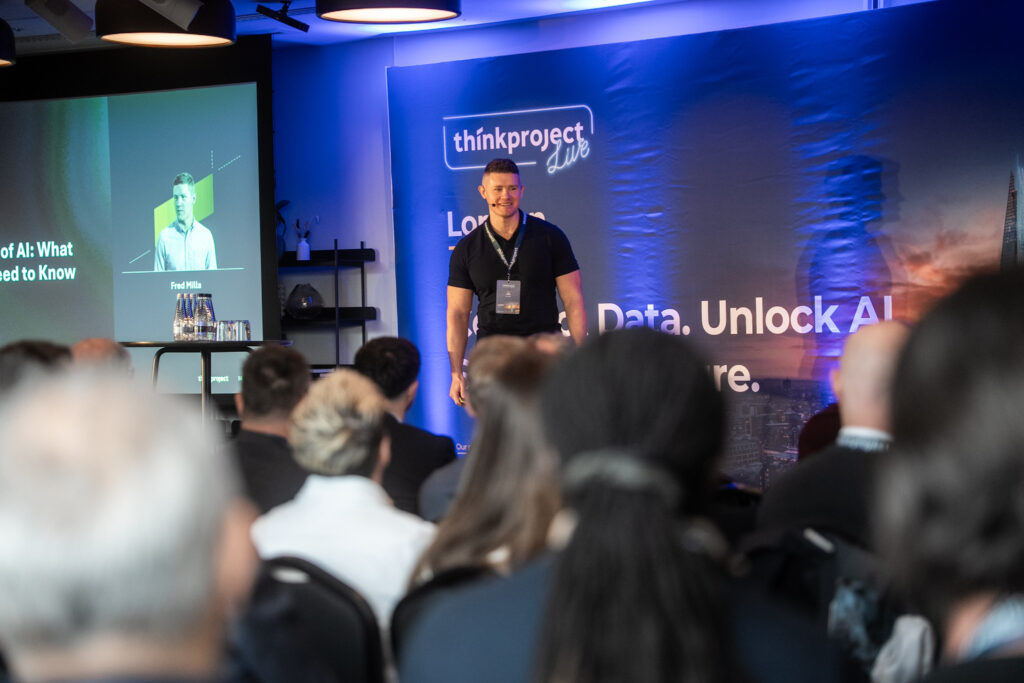
During his keynote, Fred argued that building a sustainable construction workforce requires four foundations:
- Vision: Communicating the industry’s purpose and showing how construction shapes society, from transport infrastructure and energy systems to hospitals and schools.
- Diversity: Creating an industry where people from different backgrounds can see opportunities for themselves and contribute their perspectives.
- Connection: Helping people collaborate effectively across disciplines, organisations and geographical boundaries.
- Safety: Protecting both the physical safety and mental wellbeing of construction professionals.
Through The B1M’s Get Construction Talking initiative, Fred and his team have worked to raise awareness and support mental health charities across the UK, US and Australia.
His wider message was that workforce wellbeing is not separate from business performance. When people are overwhelmed, disconnected or struggling, the consequences can affect collaboration, productivity and project outcomes.
Technology can help reduce unnecessary administrative pressure and improve access to information, but it cannot independently create a healthy workplace culture or build trust between colleagues.
Those responsibilities remain with people and leadership teams.
For construction organisations investing in AI, the implication is clear: technological transformation and workforce development need to progress together.
5. The future of construction depends on combining human expertise with intelligent technology
“That’s what’s going to enable the future of this industry, powered by tech, not replaced by tech.” – Fred Mills, Founder of The B1M
Throughout his keynote, Fred Mills highlighted some of the extraordinary achievements made possible by construction. One particularly compelling example was ITER, the international nuclear fusion project in southern France.
Bringing together contributions from 35 nations, ITER aims to demonstrate the scientific and technological feasibility of fusion energy at an unprecedented scale.
The project illustrates what it takes to deliver complex infrastructure: international coordination, specialist engineering expertise and collaboration across numerous organisations. Thinkproject supports information and contractual processes on this ambitious undertaking. Read the ITER customer story to learn more.
While technology plays an important role in managing this complexity, projects of this scale ultimately depend on the knowledge, decisions and collaboration of thousands of people.
This is also an important lesson for the future of AI in construction. To realise its potential, organisations need to combine technological innovation with three essential foundations:
- Reliable information: Ensure project and asset data is accurate, accessible and connected so AI can support meaningful insights.
- Effective collaboration: Connect people, processes and information across teams and organisations to support better decisions.
- Human expertise and oversight: Use AI to support professional judgement, rather than replace the experience and accountability of construction teams.
As AI capabilities evolve, these foundations will become increasingly important for organisations looking to automate workflows, manage complexity and improve project outcomes.
Ultimately, the goal is not to remove people from construction processes, but to give them better tools and information to do their jobs effectively.
As Fred concluded, the industry’s future should be “powered by tech, not replaced by tech.”
Building a better future for construction
AI has the potential to make construction more intelligent, efficient and productive. But real transformation requires more than introducing new tools.
Fred Mills’ keynote at Thinkproject Live London offered an important reminder: construction’s greatest achievements have always depended on people.
The organisations best positioned to benefit from AI will be those that combine technological innovation with human expertise, strong collaboration and a commitment to supporting their workforce.
The future of construction is not simply about what AI can do.
It is about what people can achieve with it.
Want to explore how AI can support better construction outcomes?
Join our upcoming Thinkproject Innovation Series webinar to discover new perspectives on AI, digital innovation and the future of the built environment.
More resources
Innovation Series
Built Asset Lifecycle Platform
Thinkproject Live and Recorded Webinars
Read moreLive and recorded webinars for teams that design, build, operate, and maintain the assets that shape our physical world.
-
Blog
CDE
From data repository to active system: AI agents in CDEs
Read moreExplore how AI agents could transform common data environments, through smarter information discovery, governed automation and connected project workflows.
-
Blog
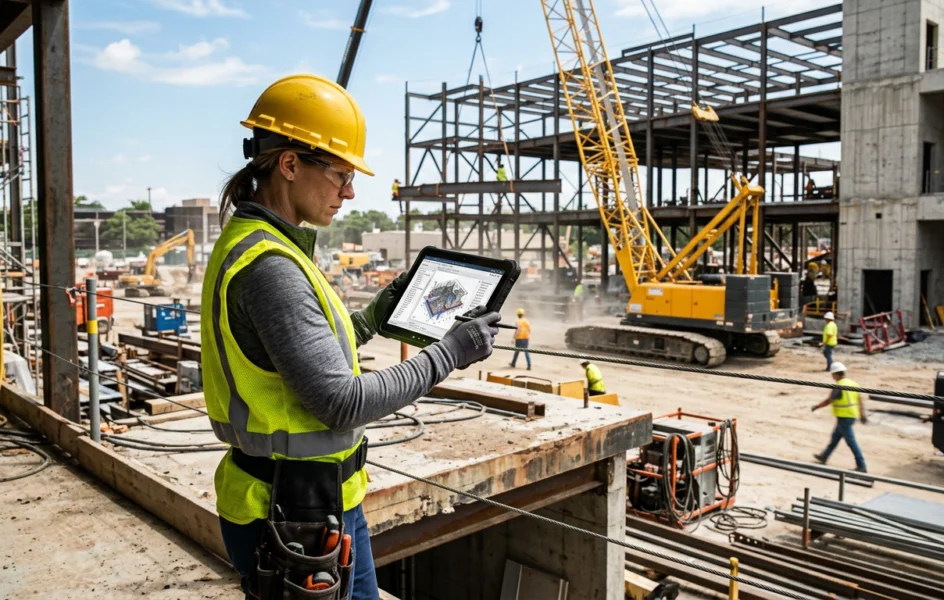
Connected Data & Asset Intelligence
Construction data management: your documents are governed. Your project data isn’t.
Read moreLearn how construction data management helps teams organise, control and use reliable project information from design through handover and operations.
-
Blog

Connected Data & Asset Intelligence
From projects to intelligent assets: 8 takeaways from Thinkproject Live London 2026
Read moreExplore 8 takeaways from Thinkproject Live London 2026: on connectedconstruction, asset intelligence, better decisions, AI adoption and more.
-
Blog
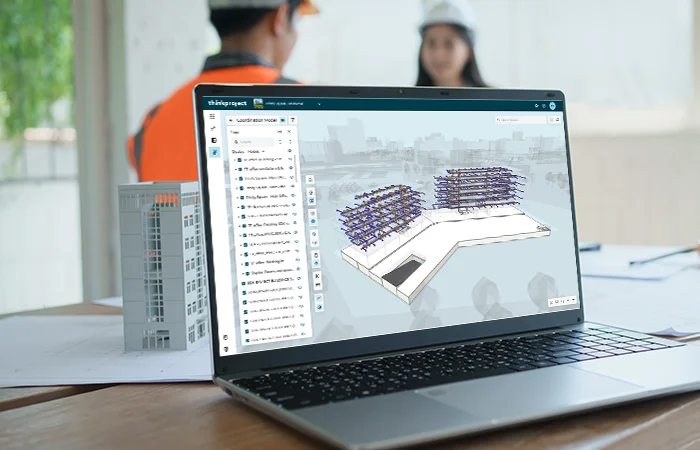
BIM
BIM collaboration: How connected project teams work better together
Read moreSee how BIM improves construction collaboration through shared models, clash detection, issue tracking, CDE workflows and connected project information.
-
Blog
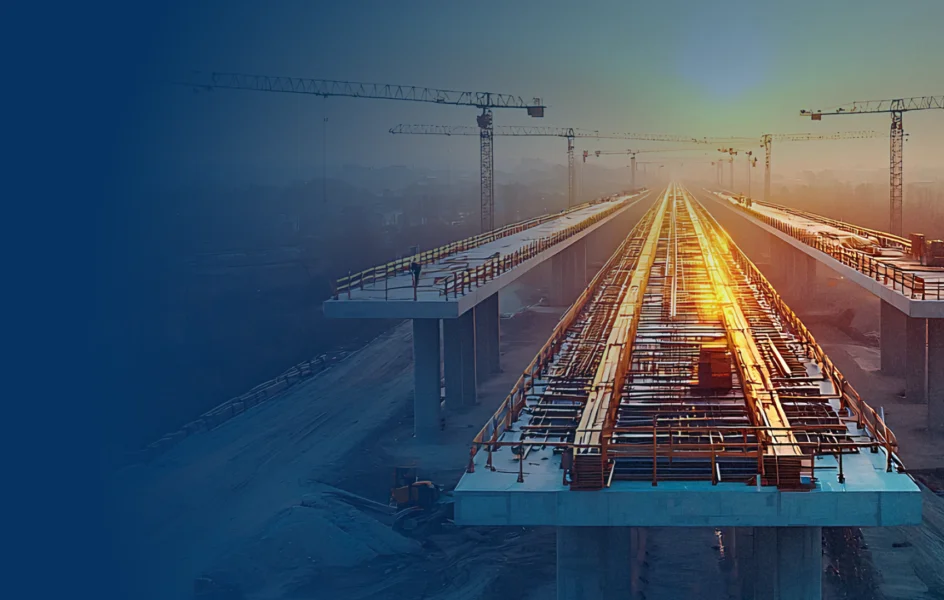
Asset Management
From delivery to lasting performance: four governance priorities for Spain’s asset owners
Read moreDiscover four asset governance priorities that help Spain’s asset owners improve information reliability, flexibility, decision speed and ROI.
-
Blog
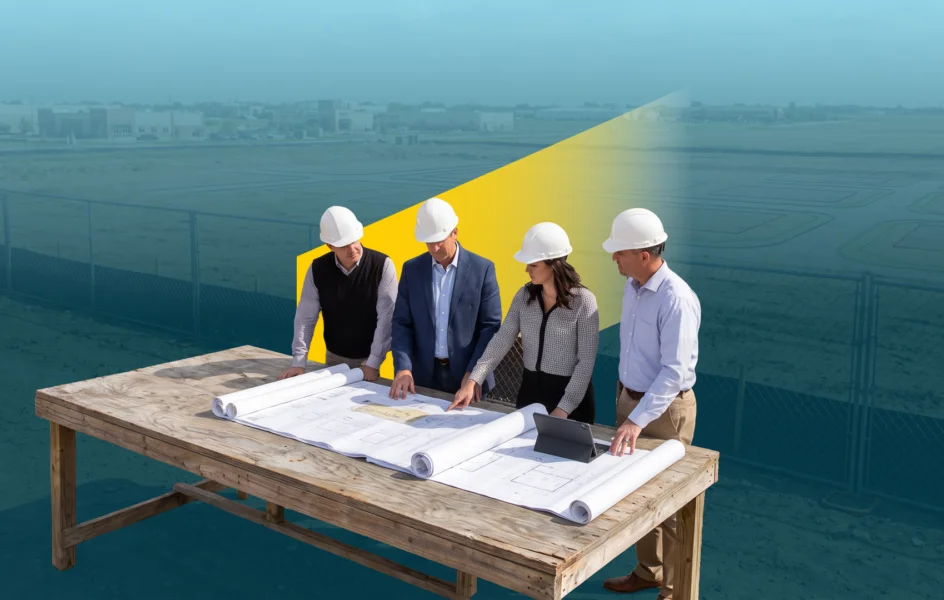
Built Asset Lifecycle Platform
Construction project life cycle: 6 phases from concept to handover
Read moreUnderstand the construction project life cycle, from feasibility and design to procurement, construction, commissioning and handover.
-
Blog

Field Management
Thinkproject HANDOVER: Turn project information into operations-ready asset data
Read moreDiscover how Thinkproject HANDOVER helps asset owners and contractors reduce information gaps and deliver validated asset data from construction into operations.
-
Event

Built Asset Lifecycle Platform
Thinkproject Live London 2026
Register your interest for 2027Discover how AI and connected data are helping teams reduce risk, improve control, and make faster, smarter decisions across the project lifecycle.