
Construction project life cycle: 6 phases from concept to handover
Every construction project begins with an idea, but turning that idea into a completed building or infrastructure asset requires careful coordination across multiple project stages. From assessing feasibility and developing designs to managing construction and preparing for handover, each phase involves different stakeholders, decisions and information requirements. What happens at one stage directly influences the success of the next.
Understanding the construction project life cycle helps project teams plan efficiently, manage risks and maintain control from project initiation to delivery. This guide explains the six main phases of a construction project, the activities and deliverables associated with each phase, and why keeping information connected from concept to handover is essential for successful project delivery and operational readiness.
What is the construction project life cycle?
The construction project life cycle represents the sequence of phases a construction project follows from its initial concept through planning, procurement, construction, commissioning, handover and closeout. It provides a structured framework for managing the activities, resources, stakeholders and decisions required to deliver a completed project.
Each phase has specific objectives, responsibilities and deliverables. Together, they help project teams establish what needs to happen, when decisions must be made and which requirements must be satisfied before work progresses.
Construction project life cycle vs. built asset lifecycle: What’s the difference?
- The construction project life cycle covers the stages involved in delivering a construction project, from initial concept and planning through to construction, handover and closeout.
- The built asset lifecycle extends beyond project completion, covering the asset’s entire lifespan, including operation, maintenance, refurbishment and eventual decommissioning.
This distinction is relevant because decisions and information generated during construction directly influence how efficiently an asset can be managed throughout its operational life and how much rework is needed after handover.
The 6 phases of a construction project life cycle
The construction project life cycle provides a framework for progressing from project initiation to a completed asset. While delivery methods vary, most construction projects follow six interconnected phases, each with specific activities, responsibilities and deliverables.
1. Initiation and feasibility
The initiation and feasibility phase determines whether a proposed construction project is necessary, achievable and financially viable. Asset owners and developers assess the business need, potential solutions and investment requirements before committing significant resources.
Key activities include:
- Defining project objectives, scope and expected outcomes.
- Conducting site investigations and feasibility studies.
- Assessing technical, environmental and regulatory constraints.
- Preparing preliminary budgets, timelines and risk assessments.
- Evaluating funding options and developing the business case.
Key stakeholders: Asset owners, developers, project sponsors, financial advisers, planners and engineering consultants.
Main deliverables: Feasibility report, preliminary project brief, risk register, high-level programme and business case.
Before moving forward: Project objectives, major constraints, funding assumptions and the business case should be reviewed and approved. Decisions made at this stage influence the entire construction project life cycle. Unrealistic budgets or overlooked constraints can create costly challenges later.
2. Design and planning
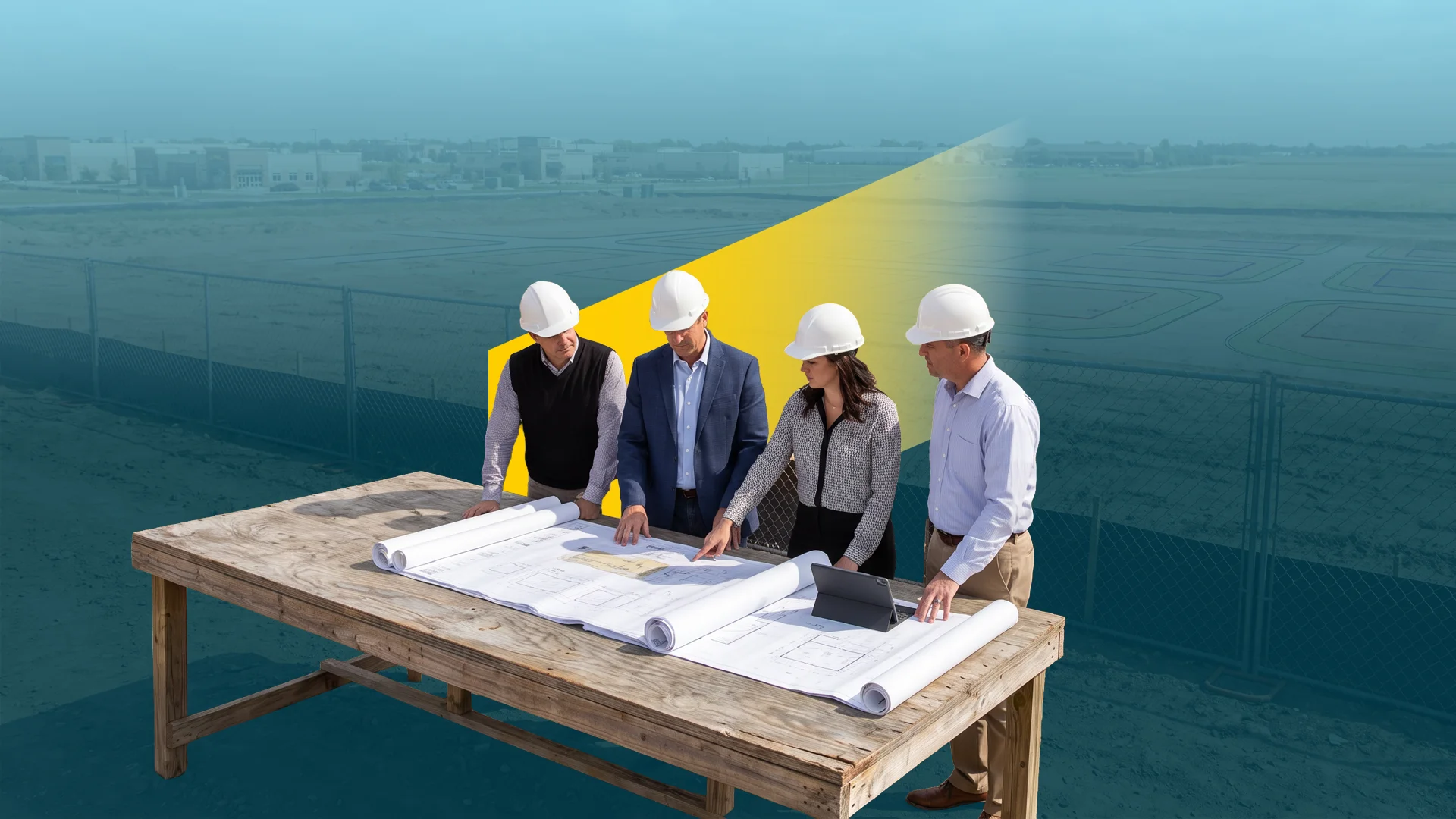
Once feasibility is established, the design and planning phase translates project objectives into technical requirements and a delivery strategy. Architects, engineers and project managers develop coordinated designs, schedules and cost estimates.
Key activities include:
- Developing architectural and engineering designs.
- Coordinating structural, civil and building services requirements.
- Preparing drawings, specifications and technical documentation.
- Establishing budgets, schedules and resource plans.
- Obtaining planning permissions and design approvals.
- Reviewing constructability, safety and environmental requirements.

Key stakeholders: Architects, engineers, design managers, project managers, cost consultants, asset owners and relevant authorities.
Main deliverables: Coordinated design packages, specifications, approved plans, updated budgets and the project delivery programme.
Building information modelling (BIM) can help teams identify design conflicts before construction begins. A common data environment supports collaboration by providing controlled access to drawings, models, revisions and approvals.
Before moving forward: Teams need an agreed design basis, documented requirements and sufficient design maturity to support procurement and construction preparation. Incomplete design information can lead to tendering uncertainty, variations and avoidable rework.
3. Preconstruction
The preconstruction phase prepares the project for physical delivery. It establishes how construction will be organised, resourced and executed safely within the agreed budget and programme.
Key activities include:
- Reviewing designs for buildability.
- Developing construction methods and sequencing.
- Refining budgets, schedules and resource requirements.
- Assessing construction risks and site constraints.
- Preparing site logistics, access and mobilisation plans.
- Establishing quality, safety and reporting procedures.
Key stakeholders: Asset owners, project managers, main contractors, designers and specialist advisers.
Main deliverables: Construction methodology statements, detailed programmes, site logistics plans, updated cost plans and project control procedures.
Preconstruction may also include value engineering to identify alternative materials or methods that improve value while meeting project requirements.
Before moving forward: Required approvals, construction information, site arrangements and resources must be sufficiently prepared. Addressing practical challenges early, such as restricted site access or equipment requirements, helps prevent disruption once construction begins.
4. Procurement
Procurement secures the contractors, suppliers, materials, equipment and services needed for construction. It often overlaps with design, preconstruction and construction, particularly when long-lead equipment must be ordered early.
Key activities include:
- Defining procurement packages and supplier requirements.
- Preparing tender documents and evaluating bids.
- Selecting contractors, subcontractors and suppliers.
- Negotiating terms and awarding contracts.
- Establishing delivery schedules and responsibilities.
- Monitoring procurement risks, costs and obligations.
Key stakeholders: Procurement and commercial managers, project managers, contractors, suppliers, legal advisers and asset owners.
Main deliverables: Tender documents, bid evaluations, awarded contracts, purchase orders and procurement schedules.
Before moving forward: Required contracts should be awarded, responsibilities agreed and critical materials or services scheduled for delivery.
Procurement decisions directly affect project costs, schedules and quality. Clear contractual records and consistent administration help teams manage supplier obligations, changes and commercial risks.
5. Construction and project control
During construction, approved designs are translated into physical works. Contractors execute site activities while project managers monitor progress, costs, quality and risks against agreed objectives.
Key activities include:
- Mobilising site teams, equipment and materials.
- Executing works according to approved designs.
- Coordinating contractors and specialist trades.
- Monitoring progress against the programme.
- Conducting quality inspections and safety checks.
- Managing design changes and contractual variations.
- Tracking costs, risks and corrective actions.
Key stakeholders: Construction and site managers, contractors, engineers, project controls teams, commercial managers and client representatives.
Main deliverables: Completed works, inspection records, progress reports, approved variations, updated construction information and compliance evidence.
Construction generates substantial information, from revised drawings to inspection reports and change requests. Effective construction document management helps teams access approved information, track revisions and maintain traceable decisions.
Contract events, site observations, quality checks and progress evidence should also remain connected to the approved project record. When information is managed across disconnected tools, teams can lose visibility of what changed, who approved it and how it affects cost, schedule or delivery risk.
Site reporting also provides evidence of completed work and outstanding issues. The broader construction project management process supports consistent control of scope, cost, schedule and quality.
Before moving forward: Relevant works should be substantially complete, outstanding defects identified and required testing and documentation available. Collecting handover information throughout construction helps prevent gaps and delays at project completion.
6. Commissioning, handover and closeout
The final phase confirms that the completed project meets its requirements and is ready for transfer to the asset owner or operator.
Commissioning verifies that installed systems function correctly. Handover transfers the asset and its supporting information, while closeout completes remaining contractual, financial and administrative activities.
Key activities include:
- Testing and commissioning installed systems.
- Completing final inspections and resolving defects.
- Preparing as-built drawings and asset information.
- Collecting operating manuals, warranties and certificates.
- Training operational teams where required.
- Obtaining acceptance and completing contractual closeout.

Key stakeholders: Commissioning managers, contractors, project and information managers, asset owners, operators and facilities management teams.
Main deliverables: Commissioning records, test certificates, as-built documentation, asset registers, operation and maintenance information, warranties and acceptance records.
A structured construction handover process helps teams define information requirements, monitor completion and resolve missing records.
Handover should not be treated as a last-minute document collection exercise. The most effective handover processes define information requirements early, collect evidence throughout delivery and validate asset data before acceptance.
Before project completion: The receiving organisation must verify that the completed works and information deliverables meet agreed acceptance criteria.
Who is involved across the construction project life cycle?
Construction projects involve multiple organisations with different responsibilities. Their involvement changes as the project progresses, but successful delivery depends on maintaining clear accountability and effective collaboration throughout.
- Asset owners and developers establish the project’s objectives, approve major investments and define the outcomes the completed asset must achieve.
- Project and construction managers coordinate delivery activities, monitor progress and manage risks, budgets and schedules.
- Architects and engineers develop the technical design, assess compliance and support the resolution of design-related issues.
- Main contractors and subcontractors plan and execute physical construction activities, coordinate specialist trades and provide evidence of completed work.
- Commercial and procurement teams manage supplier selection, contractual obligations, payments and changes.
- BIM and information managers establish how project information is structured, exchanged, reviewed and maintained. Their role becomes especially important when multiple organisations contribute drawings, models and asset data.
- Asset operators and facilities management teams define the information required to operate and maintain the completed asset.
These responsibilities are closely connected. For example, an operator’s maintenance requirements may influence design decisions, procurement specifications and the information contractors must provide at handover.
Involving the right stakeholders early helps reduce misunderstandings and ensures that decisions account for both immediate delivery needs and future operational requirements.
Why information continuity matters across every phase
Every phase of the construction project life cycle generates information that supports decisions in subsequent stages. Feasibility studies inform design. Drawings and specifications guide procurement. Construction records, inspections and approvals become essential evidence for handover and operations.
However, this information often moves between different organisations, systems and teams. When documents, models and decisions become disconnected, teams risk working with outdated information, duplicating work or losing important project context.
Information continuity ensures that project information remains accurate, accessible and traceable as the project evolves. This supports better collaboration and more informed decisions across every phase.
How connected information supports project delivery
Maintaining information continuity requires consistent processes for managing, sharing and validating project data. Key elements include:
- Controlled documents and approvals: A common data environment (CDE) helps teams access approved information, manage revisions and maintain a traceable record of decisions.
- Coordinated designs and models: Connected model information helps stakeholders identify conflicts, resolve issues and understand design changes before they create downstream risk.
- Traceable construction and contract records: Linking site inspections, progress reports and contractual events supports accountability and stronger project control.
- Structured handover information: Collecting and validating asset data throughout delivery helps ensure operators receive reliable information when the project is completed.
Connecting information across the built asset lifecycle
Effective asset lifecycle information management helps preserve the relationships between project documents, models, decisions and asset records as responsibilities change.
The Thinkproject Platform supports this approach by connecting information and workflows across project delivery, handover and operations. Through governed collaboration, model coordination, contract management, field workflows and structured handover processes, organisations can improve information traceability, reduce duplication and keep project information usable across the asset lifecycle.
Where the construction project life cycle ends and the asset lifecycle continues
The construction project life cycle covers a defined project, from concept and construction through to handover and closeout. The built asset lifecycle extends beyond project delivery to include operation, maintenance, refurbishment and eventual decommissioning.
As assets may remain operational for decades, information generated during construction remains valuable long after handover. Defining operational information requirements early and maintaining information continuity help asset owners avoid recreating data and make informed maintenance and investment decisions.
Keep project information connected from concept to handover
Understanding the six phases of the construction project life cycle helps organisations plan work, coordinate stakeholders and manage delivery risks. Successful project delivery also depends on maintaining reliable information as activities and responsibilities change. From early design decisions to final handover records, connected information supports clearer collaboration, stronger project control and a more effective transition into operations.
 About the author:
Emilie Batista Fernandes is Product Marketing specialist at Thinkproject. Emilie has a background in product marketing and go-to-market strategy, with a strong focus on digital innovation and technology solutions for the construction industry.
The Thinkproject Platform helps connect project information across the built asset lifecycle, supporting better-informed decisions from concept to handover and beyond. Learn more, by watching our dedicated Innovation Series webinar.
FAQs about the construction project life cycle
The six main phases are initiation and feasibility, design and planning, preconstruction, procurement, construction and project control, and commissioning, handover and closeout. Each phase has specific activities, stakeholders and deliverables that support the successful completion of the project.
The construction project life cycle covers the activities required to deliver a construction project, from concept through handover and closeout. The built asset lifecycle extends beyond project completion to include operation, maintenance, refurbishment and eventual decommissioning.
Handover ensures that the asset owner or operator receives the completed asset together with the information needed to operate and maintain it. Effective handover helps verify completion, supports operational readiness and reduces the risk of missing or inaccurate asset information.
No. Although construction project phases are commonly presented in sequence, activities often overlap. For example, procurement may begin while design development continues, and commissioning activities may start before all construction work is complete. The degree of overlap depends on the delivery approach, project complexity and contractual arrangements.
More resources
-
Blog

Field Management
Thinkproject HANDOVER: Turn project information into operations-ready asset data
Read moreDiscover how Thinkproject HANDOVER helps asset owners and contractors reduce information gaps and deliver validated asset data from construction into operations.
-
Event

Built Asset Lifecycle Platform
Thinkproject Live London 2026
Join the waitlistDiscover how AI and connected data are helping teams reduce risk, improve control, and make faster, smarter decisions across the project lifecycle.
-
Event

Built Asset Lifecycle Platform
Thinkproject Live Events 2026
Read moreJoin construction, infrastructure, and asset management leaders for a day focused on the future of project and asset delivery.
-
Blog

Asset Management
Asset lifecycle management in construction: From planning to decommissioning
Read moreLearn how asset lifecycle management connects planning, construction, handover, operations and maintenance to improve built asset performance.
-
Blog

BIM
Browser-based BIM viewer performance: 10 factors that affect large IFC models
Read moreDiscover what impacts browser-based BIM viewer performance - from geometry and IFC file quality to client hardware and network. A technical guide for BIM teams.
-
Blog

BIM
8 best BIM collaboration software systems for construction teams
Read moreExplore the best BIM collaboration software systems, from CDEs and model coordination to issue tracking, document control, field collaboration, and handover.
-
Blog
CDE
AI Search in NextGen CDE: How Thinkproject AI turns governed construction data into confirmed answers
Read moreDiscover how AI search in a NextGen CDE helps construction teams find current, approved project information while preserving permissions and control.
-
Blog

Digitalization
Construction business intelligence: Turning data into better decisions
Read moreLearn how construction business intelligence connects project data, improves reporting and supports better decisions across the asset lifecycle.
-
Blog

Contracts
Best construction contract management software: 11 features to look for
Read moreCompare the key features to look for in construction contract management software, from NEC, JCT and FIDIC workflows to audit trails and risk control.