
Digital transformation in construction: 2026 trends
Long gone are the days when digital transformation could be considered a buzzword. We can all agree that it is a strategic priority for many businesses. While the construction industry has traditionally been seen as resistant to change, new digital technologies are finally revolutionizing this perception. As new tools can deliver increased efficiency, safety, and sustainability, embracing digital solutions has become a need for construction businesses and for related built asset management fields.
As we move into 2026, digital transformation in construction is accelerating. In this article, we’ll explore the main challenges, as well as the top trends shaping digital transformation in construction in 2026 and beyond, equipping you with the knowledge you need to thrive in an increasingly digital world.
Understanding digital transformation in the construction sector
But what is digital transformation? It is the process of integrating digital technology into all aspects of a business or organization. This involves fundamentally changing operations, while delivering more value to customers.
Historically, construction has lagged behind other sectors in digital maturity. However, adoption is rapidly increasing. Approximately 65% of construction firms are now use Building Information Modelling (BIM) on at least half of their projects. At the same time, around 60% of contractors report using IoT sensors to monitor equipment performance and site conditions.
The benefits are measurable. Projects using digital collaboration tools have demonstrated reductions in schedule duration, improved coordination, and enhanced cost control.
Digital transformation challenges in construction
While the benefits to embracing digitalisation are numerous, companies still need to overcome some very common challenges. The biggest ones are:
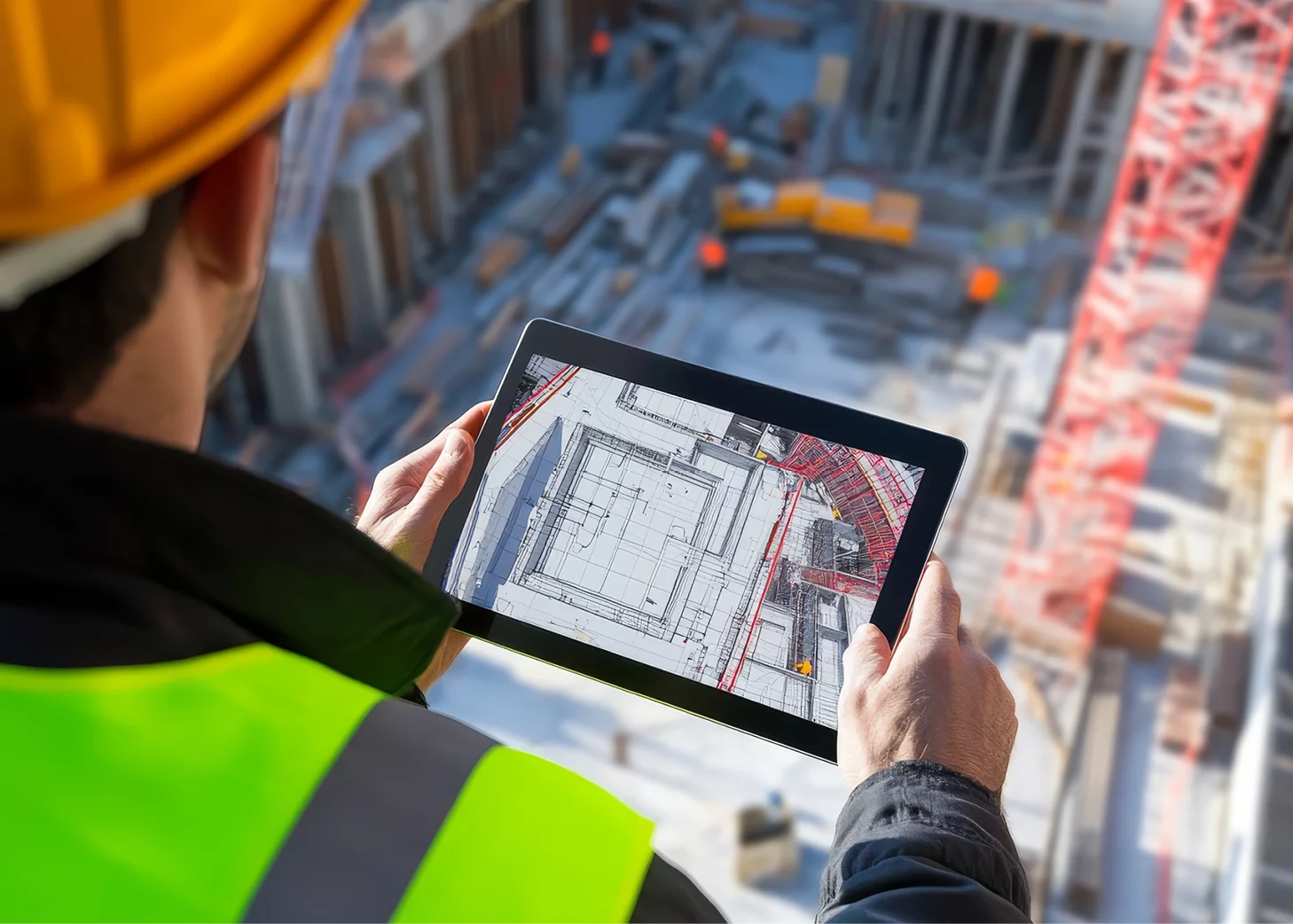
Resistance to change can be a major barrier when it comes to any business embracing new technologies, especially for construction companies. This is deeply rooted in traditional norms and skepticism about new methods. Doubts about the reliability and practicality of digital tools, coupled with unclear communication of their advantages, can make innovation seem more disruptive than helpful. This barrier can be overcome through information, research, strong stakeholder buy-in, and proper employee training.
The industry overall is unfortunately facing workforce shortages. According to an Associated Builders and Contractors analysis of data from the U.S. Bureau of Labor Statistics’ Job Openings and Labor Turnover Survey (JOLTS), there were an average of 445,000 job openings per month during the last quarter of 2023
Statistics in Europe aren’t too different. According to CIOB research, the UK workforce has an aging demographic, which is leading to increased pressure to attract and retain skilled workers. At the same time, many employees lack experience with technologies and applications like collaboration and process management tools, or data analytics.
Embracing digital transformation can help with overcoming these challenges. Digital tools can increase efficiency, minimise human errors, improve decision-making and generally ensure better processes and workflows. They can make teams more efficient, despite the workforce shortages. However, companies will need to support teams with improving “digital literacy”.
The adoption of any new technology will involve integrating it with existing processes.
This is no easy task, as many construction companies still rely on legacy systems that are outdated and difficult to integrate with modern technology. These include old ERP systems or outdated versions of BIM software. At the same time, they often lack proper project management tools and still manage data using Excel spreadsheets. Not having efficient tools in place will slow down project development and decision-making.
Integrating digital tools with existing workflows often requires breaking down data silos and establishing seamless communication between systems. An evaluation of the existing technology stack and a phased-out implementation plan can help overcome this challenge.
6 major digital transformation trends in the construction industry
Despite the challenges described above, there is no doubt that the digitalisation of construction projects is necessary. We can already see this across various industries and construction professionals, along with others in the built asset management sector, are slowly embracing digital platforms.
Here are 6 trends that are already being embraced within the industry:

Artificial Intelligence is no longer experimental. In 2026, AI is embedded within everyday construction workflows. AI-powered tools support:
- Predictive scheduling and delay forecasting
- Automated progress tracking
- Risk identification and mitigation
- Resource optimisation
- Etc.
Thinkproject is embracing AI as a strategic evolution of its Built Asset Lifecycle Platform. With ThinkprojectAI, we are adding platform-wide AI services, application-level AI capabilities and an industry-first agentic layer to our Connected Data Ecosystem, turning trusted lifecycle data into actionable insights and automated workflows.
Artificial Intelligence is no longer experimental. In 2026, AI is embedded within everyday construction workflows. AI-powered tools support:
- Predictive scheduling and delay forecasting
- Automated progress tracking
- Risk identification and mitigation
- Resource optimisation
- Etc.
Thinkproject is embracing AI as a strategic evolution of its Built Asset Lifecycle Platform. With ThinkprojectAI, we are adding platform-wide AI services, application-level AI capabilities and an industry-first agentic layer to our Connected Data Ecosystem, turning trusted lifecycle data into actionable insights and automated workflows.

As the construction industry is undergoing a significant transformation, Building Information Modeling (BIM) plays an essential role. BIM transcends the creation of impressive 3D models; it enhances decision-making processes throughout every phase of a project. This advanced technology offers an accurate digital representation of both the physical and functional characteristics of a facility, enabling architects, engineers, and contractors to proactively identify and address potential issues before they escalate into costly problems.
BIM advancements, particularly open standards like IFC and BCF championed by buildingSMART, are crucial for realizing smart buildings. IFC’s standardized representation of building elements allows integration of data from diverse systems like Building Management System (BMS) and IoT sensors, enabling a holistic view of building performance. This interoperability, facilitated by IFC and BCF, supports data-driven decision-making for optimized operations, energy efficiency, and occupant comfort.
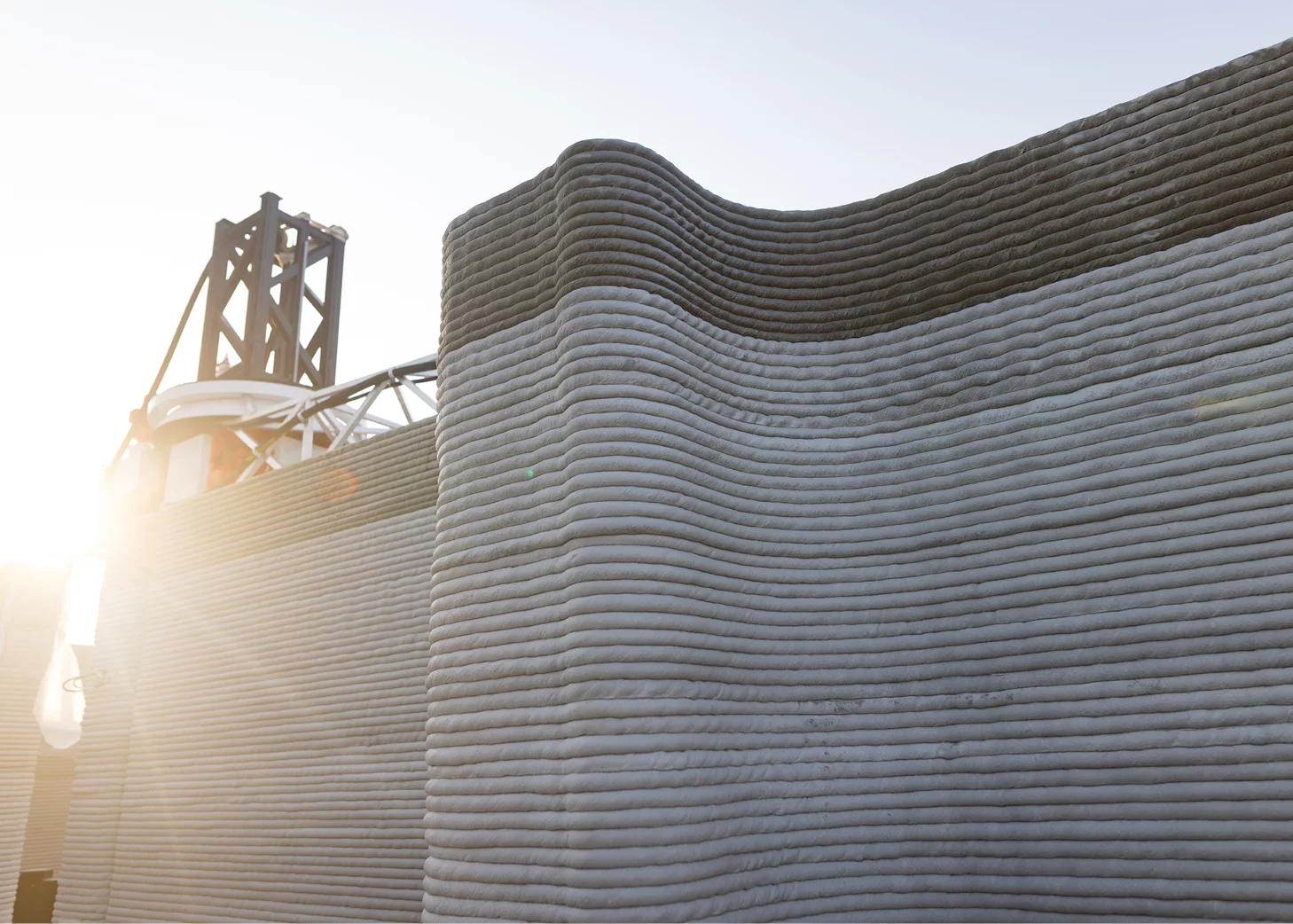
3D printing is poised to transform the construction industry by revolutionizing material sourcing and usage. This innovative technology allows for the layer-by-layer creation of objects from digital models, resulting in unprecedented design freedom and the ability to produce complex shapes that traditional methods cannot achieve.
It excels in fabricating intricate architectural designs more efficiently, significantly reducing both time and waste. Notably, full-scale buildings have been printed using specialized concrete mixtures, showcasing their potential to reshape housing markets.
3D printing enables prefabrication, allowing components to be printed on-site, which streamlines logistics and cuts costs. While challenges in mass production remain due to the high cost of large-scale printers, the benefits—such as faster timelines, cost savings, and enhanced design flexibility—make it a compelling option for the future. As technology evolves, its ability to address labor shortages and produce materials on demand will further solidify its role as a standard in modern construction.
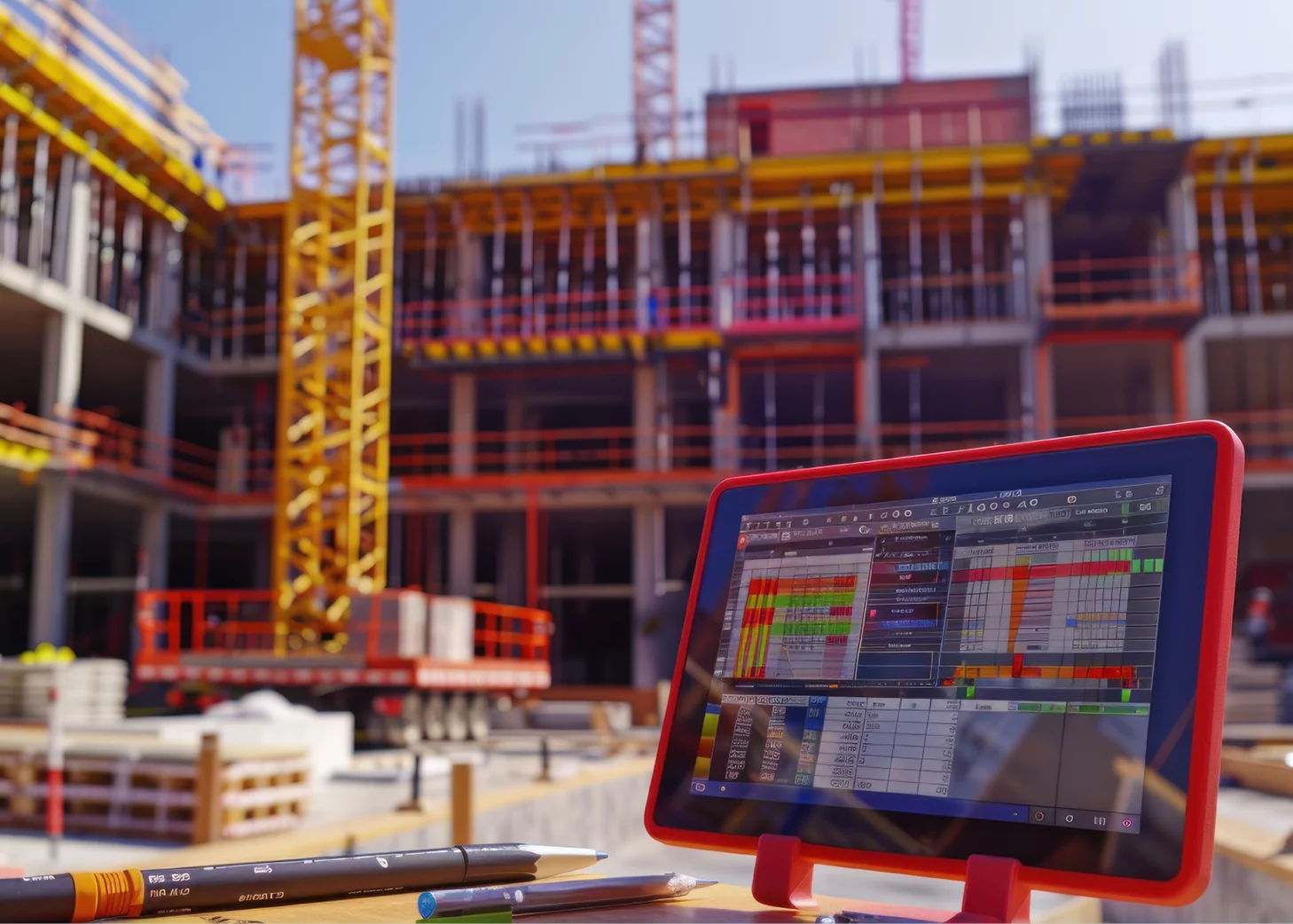
Gone are the days of relying solely on spreadsheets for quantity takeoffs, estimates, and bids.
Advanced takeoff and estimating tools not only streamline bidding and estimating processes but also allow construction professionals to focus on winning more business and mitigating risks. With cloud-based technology, you can manage bids and estimates from anywhere, enhancing collaboration and accuracy.
Thinkproject’s Built Asset Lifecycle Platform, through its Commercial & Contract Management and VDC Manager solutions, enhances this by ensuring fairness and transparency in the bidding process. It makes distributing tender documents easy, giving everyone access to vital information. Additionally, it streamlines bid evaluations with automated workflows, guiding you efficiently from start to finish.
Digital twins are virtual representations of physical assets, systems, or processes, that are continuously updated with real-time data. This concept bridges the gap between the digital and physical worlds, enabling better decision-making, cost-efficiency, and predictive insights. Digital twins can merge a series of various technologies: IoT sensors for real-time data collection, BIM as the foundational digital model, AI and machine learning for data analysis and predictive insights, cloud computing for data storage and accessibility, and AR/VR for immersive interaction and enhanced collaboration.
By integrating IOT sensor data or other feeds, you can create a dynamic intelligent twin that is able to provide real-time data and alerts regarding the current performance of your asset. At Thinkproject, we are actively working on developing that and have customers who use this for a range of use cases.

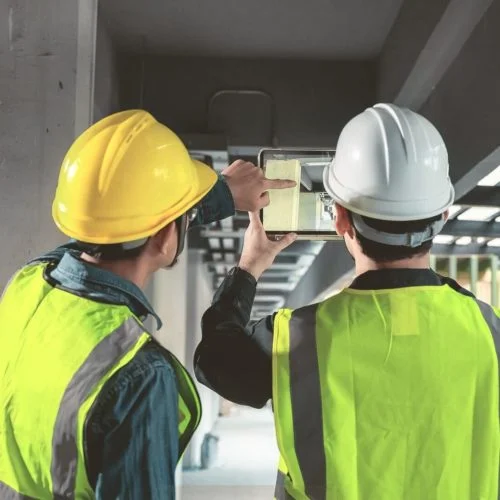
The adoption of digital tools is also driving sustainability in construction. From AI-optimized designs that reduce material usage to energy-efficient smart buildings, technology is helping the industry meet its sustainability goals:
- Innovations like 3D printing and circular economy practices minimize waste, while water conservation technologies such as greywater recycling and low-water concrete ensure efficient water use.
- Energy efficiency is achieved through smart systems that optimize energy use during construction and in finished buildings.
- Renewable energy sources like solar panels power construction sites, while electric and hybrid machinery reduce greenhouse gas emissions.
- Energy modeling tools and carbon capture technologies further enhance sustainability in both design and operations phases.
- By pre-fabricating elements in controlled factory settings, modular construction minimizes on-site waste, expedites building timelines, and improves quality control
How Thinkproject supports digital transformation for the construction industry
What do all of the above trends have in common? They all generate a high amount of data and involve the use of various tools. Managing different types of data from various sources, especially if you are still connected to legacy systems, is not very efficient.
This is where Thinkproject can help. The Thinkproject Built Asset Lifecycle platform with its connected data ecosystem helps you manage all your build asset data – from virtual design data to construction plans and contracts – this platform has you covered.
And with ThinkprojectAI, we enhance this foundation with intelligent assistants and cross-application agents that turn connected data into actionable insights and automated workflows, enabling faster decisions, greater efficiency, and future-ready digital operations.

Want to learn more about how Thinkproject can help you embrace digital transformation? Watch our dedicated Platform Demo.
More insights
-
Blog

BIM
8 best BIM collaboration software systems for construction teams
Read moreExplore the best BIM collaboration software systems, from CDEs and model coordination to issue tracking, document control, field collaboration, and handover.
-
Blog
CDE
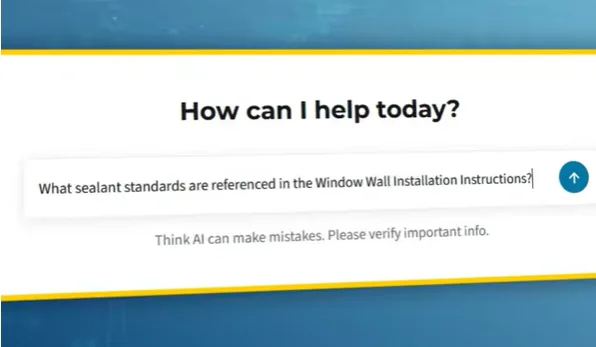
AI Search in NextGen CDE: How Thinkproject AI turns governed construction data into confirmed answers
Read moreDiscover how AI search in a NextGen CDE helps construction teams find current, approved project information while preserving permissions and control.
-
Blog

Digitalization
Construction business intelligence: Turning data into better decisions
Read moreLearn how construction business intelligence connects project data, improves reporting and supports better decisions across the asset lifecycle.
-
Blog

Contracts
Best construction contract management software: 11 features to look for
Read moreCompare the key features to look for in construction contract management software, from NEC, JCT and FIDIC workflows to audit trails and risk control.
-
Event

Built Asset Lifecycle Platform
Thinkproject Live London 2026
Register nowDiscover how AI and connected data are helping teams reduce risk, improve control, and make faster, smarter decisions across the project lifecycle.
-
Event

Built Asset Lifecycle Platform
Thinkproject Live Events 2026
Read moreJoin construction, infrastructure, and asset management leaders for a day focused on the future of project and asset delivery.
-
Blog
Contracts
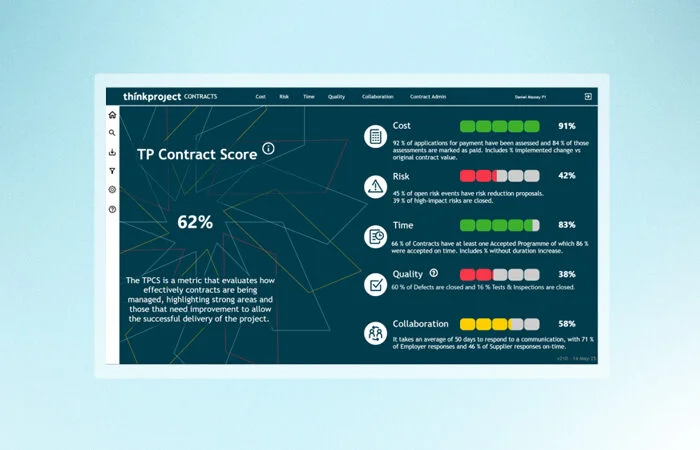
JCT contract types: Choosing and managing the right contract
Read moreCompare the main JCT contract types, understand construction management contracts and learn how to choose and administer the right form.
-
Blog

Built Asset Lifecycle Platform
AI in construction: Uses, benefits and real-world examples
Read moreExplore how AI in construction improves planning, safety, project controls, handover and asset performance across the built asset lifecycle.
-
Blog
Health & Safety
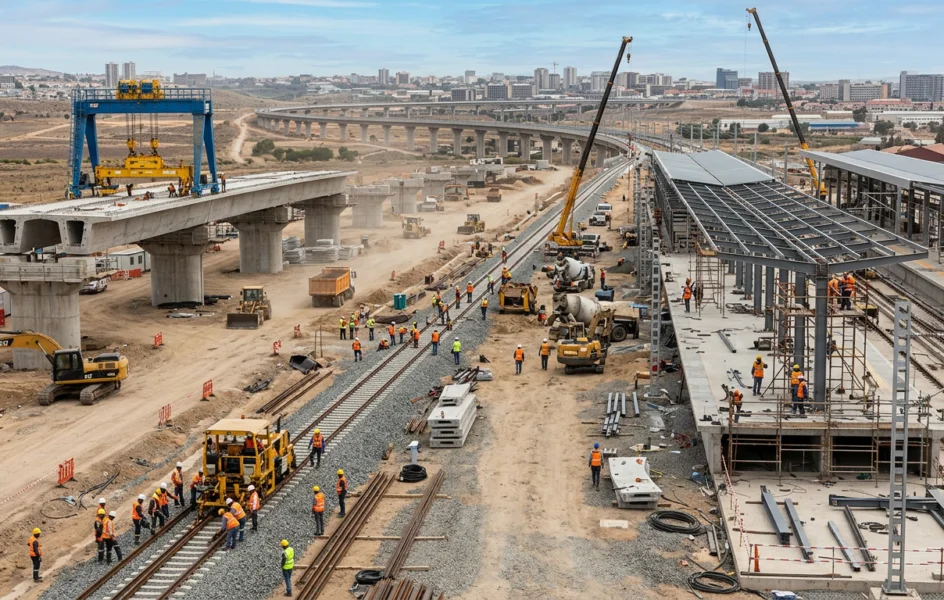
Construction risk management: How to identify, assess and control project risks
Read moreLearn how to identify, assess and control construction risks across cost, safety, contracts, programmes and project information.